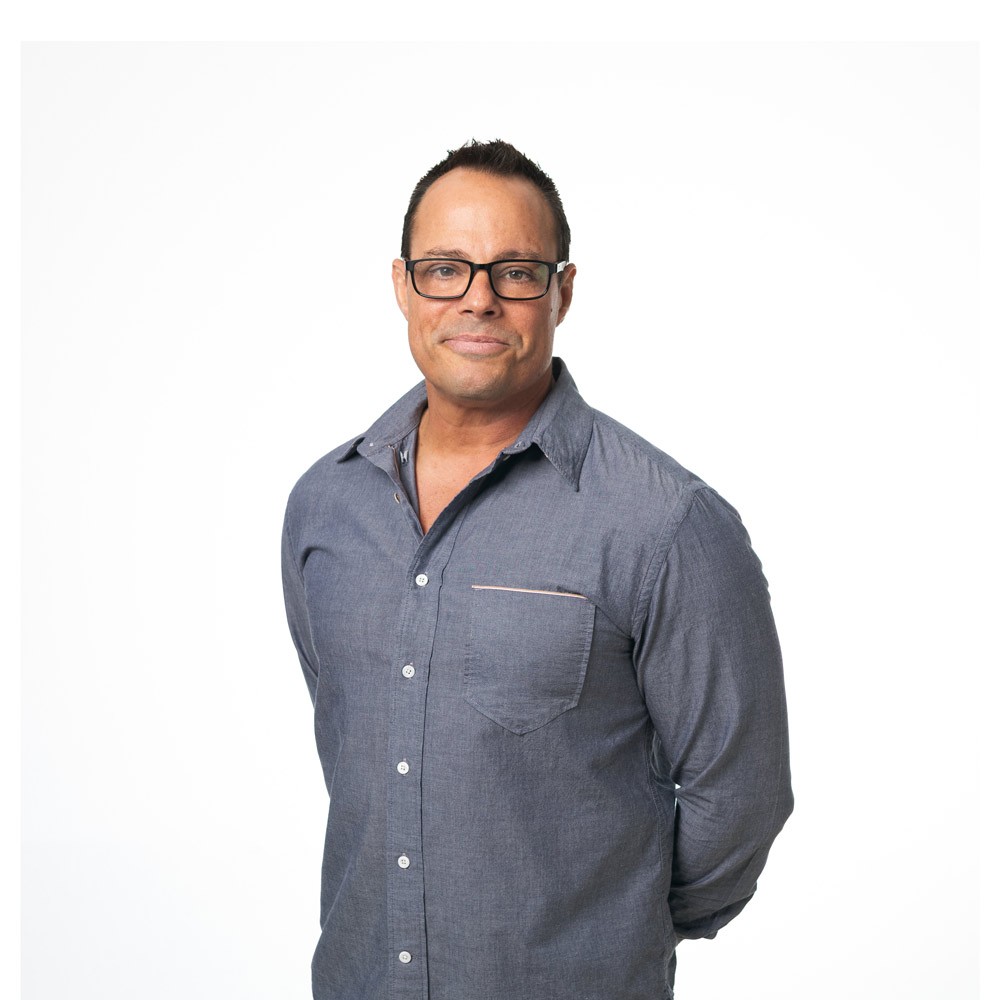
Zareth Irwin, MD · Leadership, Executive & Physician Coach · Irwin Clarity Coaching

Early in my training, I watched a senior physician do something that stopped me. A patient had been in the department for two hours. Tests were back. Some pointed one direction, some pointed another, and none of them — taken together — told a clear story. The attending sat down, looked at the chart for a long moment, and said: 'I don't know yet. Let's watch.' No false certainty. No premature diagnosis to make the picture feel tidier than it was. Just the honest acknowledgment that the situation required more time before it would reveal itself. That was not indecision. It was the highest-order clinical skill I would ever watch someone exercise.
The Discomfort of Not Knowing
Uncertainty is uncomfortable. This is not a character flaw — it is wiring. The brain's primary job is prediction: it builds models of the world, uses them to anticipate what comes next, and experiences unresolved ambiguity as a low-grade threat. The drive to close open questions, to reach a conclusion, to land somewhere — that is not weakness. It is neurobiology.
But the drive toward premature closure is one of the most consequential failure modes in high-stakes decision-making. In medicine, we called it anchoring: the tendency to lock onto the first plausible diagnosis and interpret subsequent data through that lens, even when the data was telling a different story. Anchoring kills patients. Not dramatically, not maliciously — but quietly, through the accumulation of decisions made from a frame that was fixed too early and updated too slowly.
Leaders anchor constantly. On an early read of a person. On a strategic bet made in a different competitive environment. On a narrative about what kind of problem this is — and therefore what kind of solution it needs — that was formed before all the relevant information was in.
The drive toward premature closure is one of the most consequential failure modes in high-stakes decision-making. The conclusion comes first. The evidence is sorted to fit.
What Holding Uncertainty Actually Looks Like
There is a meaningful difference between being paralyzed by uncertainty and being capable of holding it. Paralysis is the absence of movement. Holding is the active, skilled act of maintaining an open question while continuing to gather information, track developments, and remain ready to act when the picture clears.
Premature closure decides quickly to relieve discomfort, defends the early call even as new data arrives, and communicates false certainty to appear decisive. Holding uncertainty distinguishes between what is known and what is not, stays genuinely curious about contradictory signals, and moves deliberately while updating readily as the picture develops.
The best physicians I trained alongside were not uncertain because they lacked knowledge. They were uncertain because they had enough knowledge to understand how incomplete the picture still was. Expertise does not eliminate uncertainty. In complex domains, it often deepens the appreciation of it.
The Organizational Pressure Against It
Leadership culture, in most organizations, punishes visible uncertainty. Confidence is rewarded. Clarity is expected. The leader who says 'I don't know yet — let's sit with this before we move' is often read as tentative, as lacking conviction.
So leaders perform certainty they do not feel. They choose a direction — not because the evidence supports it, but because the social and organizational pressure demands that someone point somewhere. And then, having pointed, they become invested in being right. The position hardens. The frame locks. And the organization follows a leader who is no longer actually looking at what is happening.
The Skill of Staying Open
Distinguish the question from the answer
Clarifying the diagnostic question — what exactly are we trying to determine? — is as important as arriving at the answer. Leaders who articulate the question precisely create space for the right information to come in, rather than filtering everything through the answer they have already chosen.
Name the uncertainty out loud
There is a particular kind of leadership courage required to say 'I don't have the full picture yet' to a team looking to you for direction. Organizations that normalize honest uncertainty make better decisions than those that reward performed confidence. The culture starts with what the leader is willing to say.
Set a decision timeline, not a decision
Holding uncertainty is not the same as deferring forever. The clinical practice is to say: we will watch for 48 hours and reassess. Leaders can do the same — hold the question actively, continue gathering information, and commit to a decision point without committing prematurely to the decision itself.
The situations that matter most in leadership are rarely the ones that yield to first impressions. They are the ones that require you to stay in the discomfort of not knowing long enough to understand what you are actually dealing with. That is not a failure of decisiveness. It is the foundation of it.
The most important question in complexity is not: what is the answer?It is: what do I still need to understand before I can answer well?Stay open long enough to find out. |