Zareth Irwin, MD · Leadership, Executive & Physician Coach · Irwin Clarity Coaching
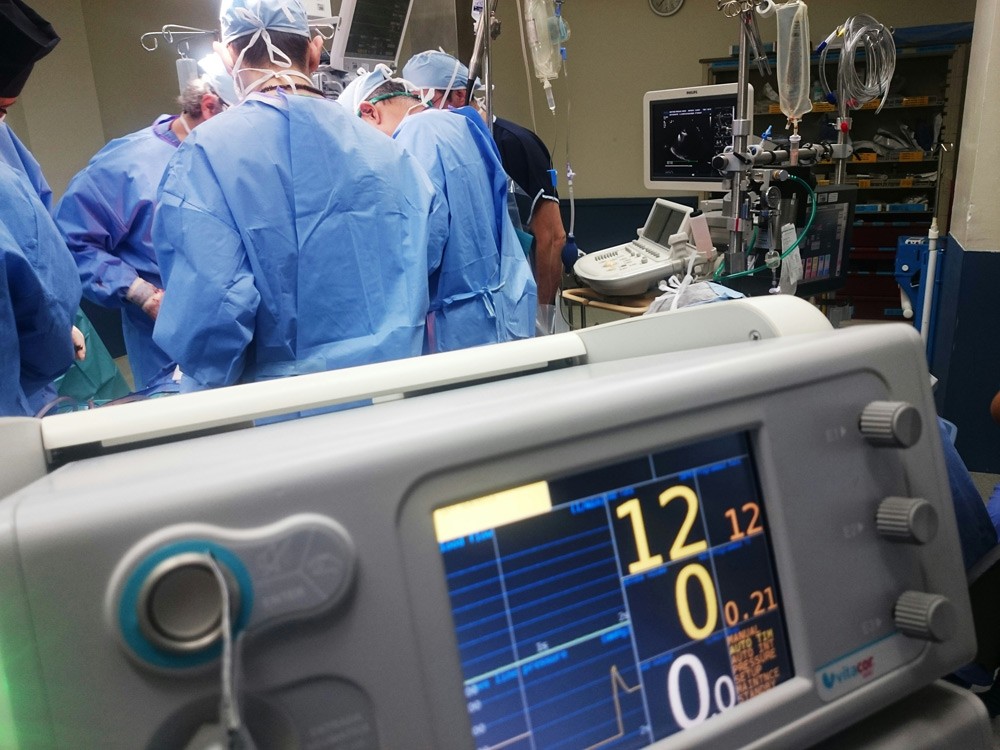
The room is loud. Monitors are alarming. Someone calls out a blood pressure. Someone else begins compressions. A nurse moves toward the crash cart. An EKG is rolling. There are hands everywhere - and every single pair of them knows exactly what to do. I step back… And I watch.
I spent two decades as an emergency physician. I have stood at the center of more resuscitations than I can count- cardiac arrests, traumas, septic shock, dissecting aneurysms- and what I learned, slowly and sometimes painfully, is that the most powerful thing a leader can do in the middle of controlled chaos is resist the urge to be in it.
Not absent. Not disengaged. Present in a different way- elevated, watching, orienting. What I came to think of as stepping to the balcony.
The Dance Floor and the Balcony
Leadership scholars Ronald Heifetz and Marty Linsky introduced the metaphor of the dance floor and the balcony to describe one of the hardest skills in leadership: the ability to observe the system you are inside of. When you are on the dance floor, you are moving. You can see the person in front of you, feel the rhythm, respond to the moment. But you cannot see the whole dance. You cannot see who is out of step, who is about to collide, where the energy is pooling or draining away.
The balcony gives you that view. From there, you see patterns. You see dynamics. You see the things that are happening between the things that are happening.
In medicine, I did not need a metaphor to understand this. I lived it every shift.
The most powerful thing a leader can do in the middle of controlled chaos is resist the urge to be in it.
A Room in Motion
Picture a resuscitation bay. A patient has arrested. The team assembles within seconds- nurses, techs, residents, pharmacists, respiratory therapy. The noise begins immediately: compressions, ventilations, the staccato rhythm of clinical findings being called out loud so everyone can hear.
If I stepped in and started doing compressions, I would be useful- for that one task. And sometimes, it is necessary, e.g. when doing complex procedures that only I am qualified to do. But when this happens, my focus narrows and I lose perspective. I risk losing the thread. I become an instrument in the orchestra instead of the conductor.
With this experience and knowledge in mind, I stand back whenever possible. Not at the bedside, slightly removed from the foot of the bed where everything is visible. From that vantage point I can see everything: who is hesitating, whether the rhythm on the monitor matches what someone is calling out, whether we had missed a step in the algorithm, whether the team's energy was beginning to fracture under pressure. I could see the whole system working, or starting to fail, in real time.
That slight physical distance created cognitive space. And in high stakes decisions, cognitive space is where the right decisions live.
What This Has to Do with You
You may not work in an emergency room. But I would wager that your professional life has its own version of a resuscitation bay- moments when everything is moving fast, everyone is doing something, the pressure is high, and you are somewhere in the middle of it trying to think clearly.
A board meeting going sideways. A team in conflict. A strategic pivot that nobody has fully bought into. A direct report in crisis. These are your dance floors. And the question is always the same: are you dancing, or are you watching the dance?
Leaders who can only dance are reactive. They respond to whatever is most immediate and loudest. They are perpetually in motion and perpetually surprised. Leaders who can move between the dance floor and the balcony- who can act and observe, engage and step back- have something different: perspective. And perspective, more than any tactical skill, is what separates good leadership from great leadership.
Three Moves to the Balcony
This is not passive observation. The balcony is not a place of withdrawal. It is a deliberate act of attention, and like any skill, it can be practiced.
01 Pause Before You Move
When tension rises and urgency spikes, train yourself to insert a breath before you act. That pause- even two seconds- is the on-ramp to the balcony. It interrupts the reactive loop.
02 Name What You See
From the balcony, ask: what is actually happening here, beneath the surface? What patterns do I notice? What is not being said? Naming the system creates distance from it.
03 Return with Intention
The goal is not to stay on the balcony — it is to return to the floor with clarity. You go up to see; you come back to lead. The movement between both is the practice.
The Conductor's Paradox
Here is what took me years to internalize: stepping back is not stepping away. In the resuscitation bay, my team never interpreted my physical remove as indifference. They understood it as command. The person standing slightly apart, watching with full attention, was the person responsible for the outcome of the whole, not just one task within it.
A conductor does not play an instrument during the performance. That is not abandonment of the music. That is precisely what makes the music possible.
A Practice, Not a Position
The balcony is not a personality trait. It is a capacity- one that atrophies when it isn't used and strengthens when it is deliberately practiced.
In coaching, I often ask clients: where were you on the dance floor this week? Where did you lose the view? What would you have seen from the balcony that you couldn't see from the floor? These questions are not about judgment. They are about developing the reflex — the ability to move fluidly between engagement and observation, between action and awareness.
That movement, practiced with enough repetition becomes leadership presence. It is the quiet authority of someone who sees more than others see. Who holds more than others hold. Who leads not from the loudest place in the room, but from the clearest.
The room will always be loud. The monitors will always be alarming. The question is where you choose to stand.
The room will always be loud.The question is where you choose to stand. |